

Cultural attitudes toward gambling A global perspective on risk and reward
The Historical Context of Gambling
Gambling has a rich history, dating back thousands of years, with different cultures integrating it into their social fabric. Ancient civilizations, such as the Chinese and Romans, viewed games of chance as a form of entertainment and a way to exercise fate. In many societies, gambling was often tied to rituals and spirituality, reflecting a belief in the unpredictable nature of life. Today, many choose to keep playing without GamStop limits to experience diverse gaming options.
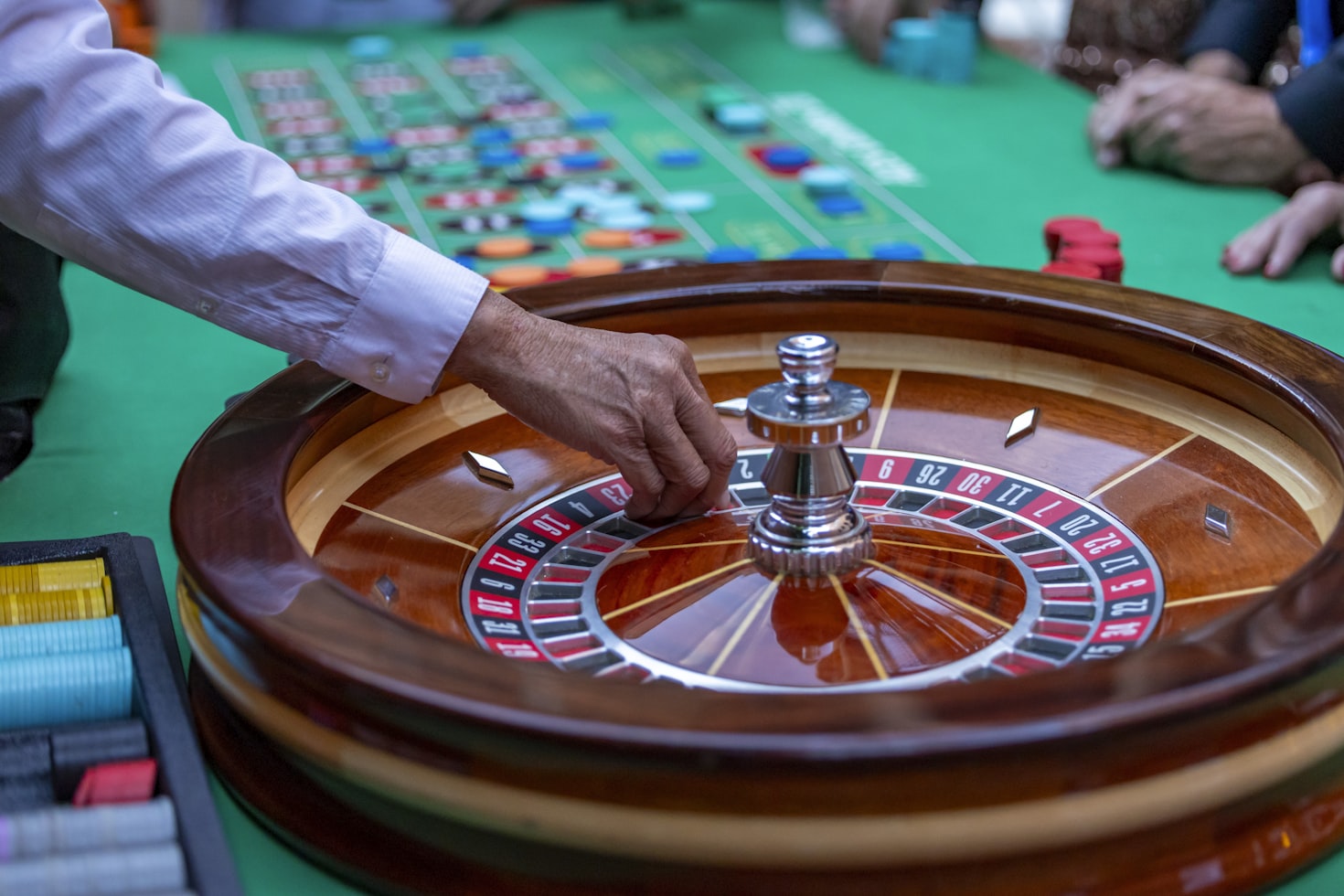
Throughout history, various cultures have shaped their attitudes toward gambling, often influenced by economic conditions, religious beliefs, and social norms. For instance, in some societies, gambling is seen as a vice that undermines moral values, while in others, it is celebrated as a thrilling activity that brings people together.
Modern Attitudes and Regulations
In contemporary society, attitudes toward gambling vary widely, shaped by cultural values and legal frameworks. Many countries have established regulated gambling industries, viewing them as significant sources of revenue. However, in certain regions, gambling remains illegal, reflecting deeper cultural apprehensions regarding its implications on society.
Countries like the United States and Australia exhibit a more accepting attitude toward gambling, encouraging responsible practices and providing frameworks to mitigate addiction risks. Conversely, nations with strict gambling laws often emphasize the potential harms, focusing on prevention and education about the risks involved.
The Psychological Perspective
Understanding gambling through a psychological lens reveals complex motivations behind why individuals participate in games of chance. For many, the allure of risk and reward is tied to an innate desire for excitement and escape from daily routines. This thrill-seeking behavior can be deeply rooted in personality traits, where individuals display varying degrees of risk tolerance.
Moreover, cognitive biases, such as the illusion of control and gambling fallacy, influence players’ decisions, leading them to believe they can manipulate outcomes. These psychological factors contribute to the appeal of gambling but can also pave the way for problematic gambling behaviors if not managed appropriately.
Global Perspectives on Responsible Gambling
Responsible gambling has become a focal point in discussions around gambling practices worldwide. Many countries have adopted initiatives aimed at promoting safe gambling environments, including self-exclusion programs and awareness campaigns. These measures reflect a growing recognition of gambling addiction as a public health issue.
In regions with established gambling industries, such as Europe and parts of Asia, there is a proactive approach to ensuring that players engage in gambling activities responsibly. This includes offering resources for support and education, empowering individuals to make informed choices while enjoying the thrill of betting.

Discovering Alternatives in Online Gambling
As the landscape of gambling evolves, many players are exploring alternatives to traditional casinos, particularly online platforms. These sites offer unique gaming experiences tailored to diverse preferences, providing an array of games and flexible payment options. With the increasing interest in non-GamStop casinos, players can find environments that align with their values and needs.
Our platform serves as a valuable resource, offering expert reviews and comparisons to help users navigate this expansive online gambling world. By understanding the available options, players can make informed decisions and enhance their gaming experiences while prioritizing responsible practices.

Leave a Comment